Global Mobility Platform for Multimodal Journey Planning
Transformed a fragmented white-label mobility app into an intuitive travel companion serving 200M+ downloads across 80+ client implementations.
Design Leadership
Enterprise UI/UX
Customization
Design System
iOS, Android, Web
White-Labal
Accessibility

Role
Co-lead designer
Company
Hacon – A Siemens Company
Leading the Redesign of
a Global Mobility Platform
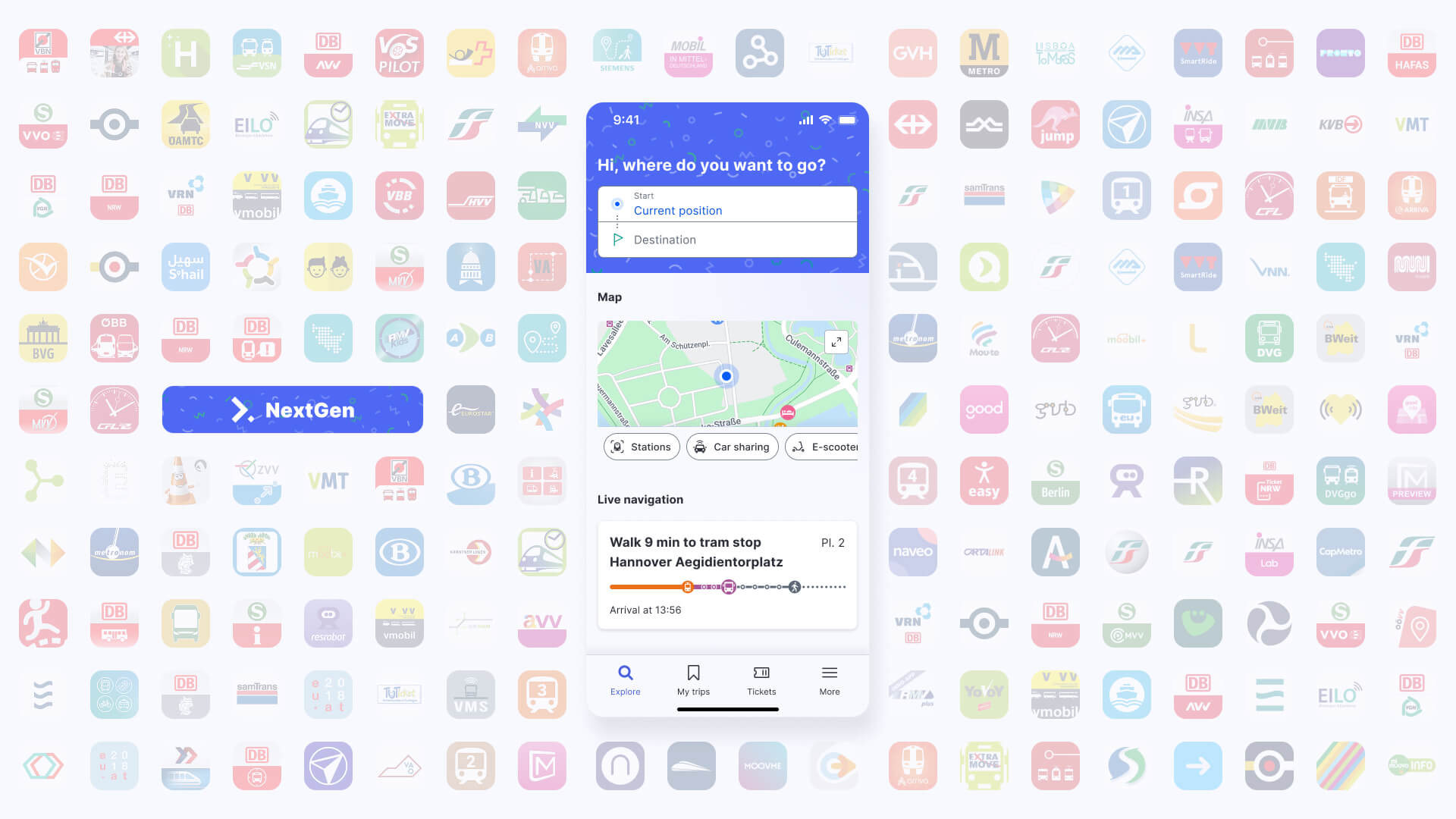
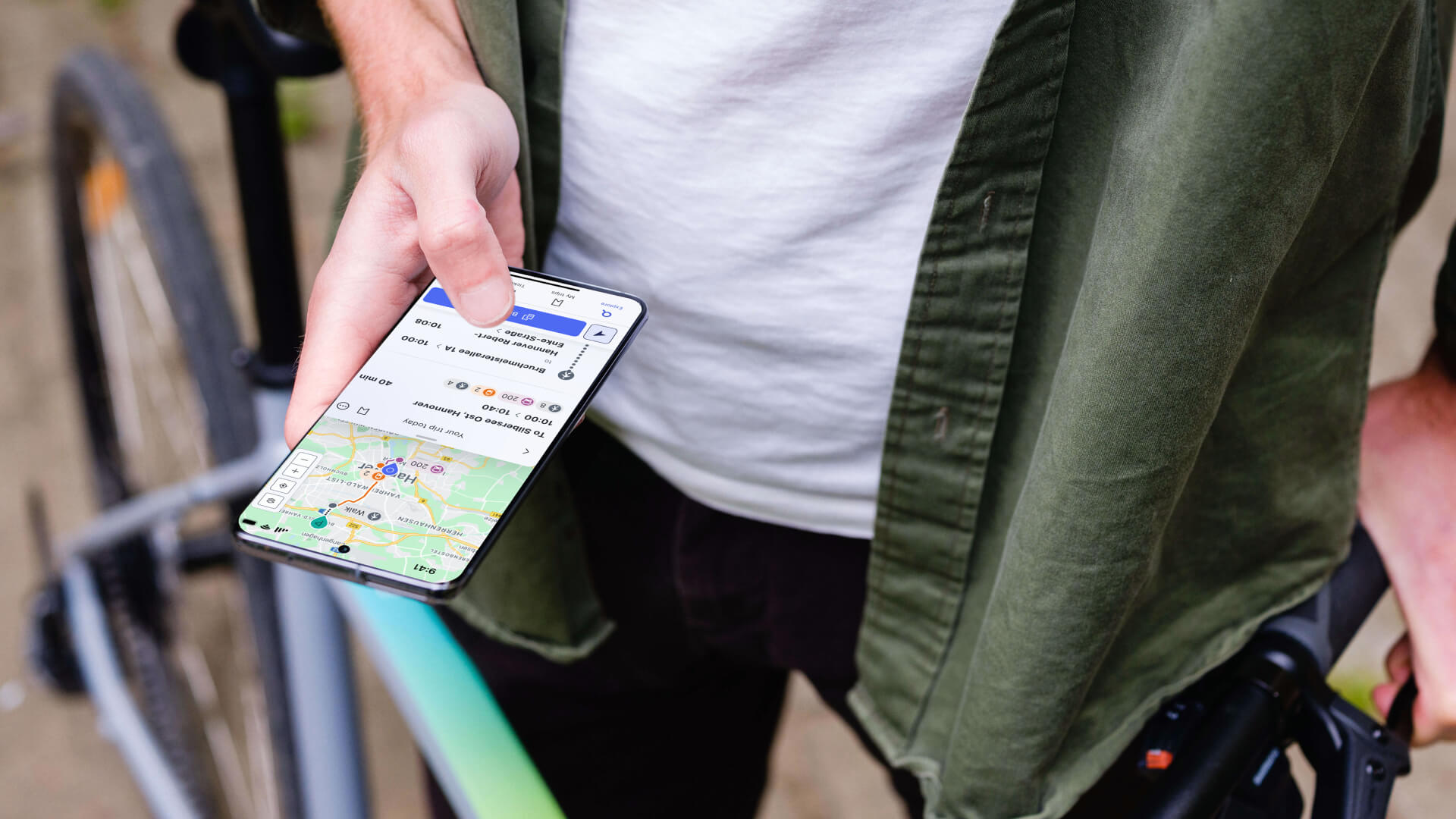
I co-led the redesign of a global white-label mobility app within Siemens Mobility’s MaaS ecosystem, impacting 200M+ downloads and 80+ client implementations. The goal was to create a scalable, customizable solution to simplify complex travel journeys while allowing clients to align the app with their brand across iOS, Android, and web.
We aimed at delivering a seamless, intuitive experience that positions the app as a true travel companion that travelers love to use..
The Goal
The goal was to redesign a complex, white-label mobility platform into a seamless, modern, and customizable experience across devices. We aimed to improve usability for end users while enabling clients to easily adapt the app to their brand. Without increasing development effort.
TL;DR — S.O.A.R.
Situation
A widely adopted white-label mobility platform with 200M+ downloads was hindered by inconsistent UX, limited customization, and outdated design.
Objective
Redesign the app to deliver a seamless, scalable, and client-customizable experience across iOS, Android, and Web.
Action
Co-led UX strategy, created personas and journey maps, unified navigation, built a component library, and enabled deep client branding. All while aligning closely with developers and stakeholders.
Result
Simplified user experience, increased client adoption, faster feature delivery, and a scalable foundation ready for long-term growth.
Outcome
Building a Scalable,
Customizable Mobility Experience
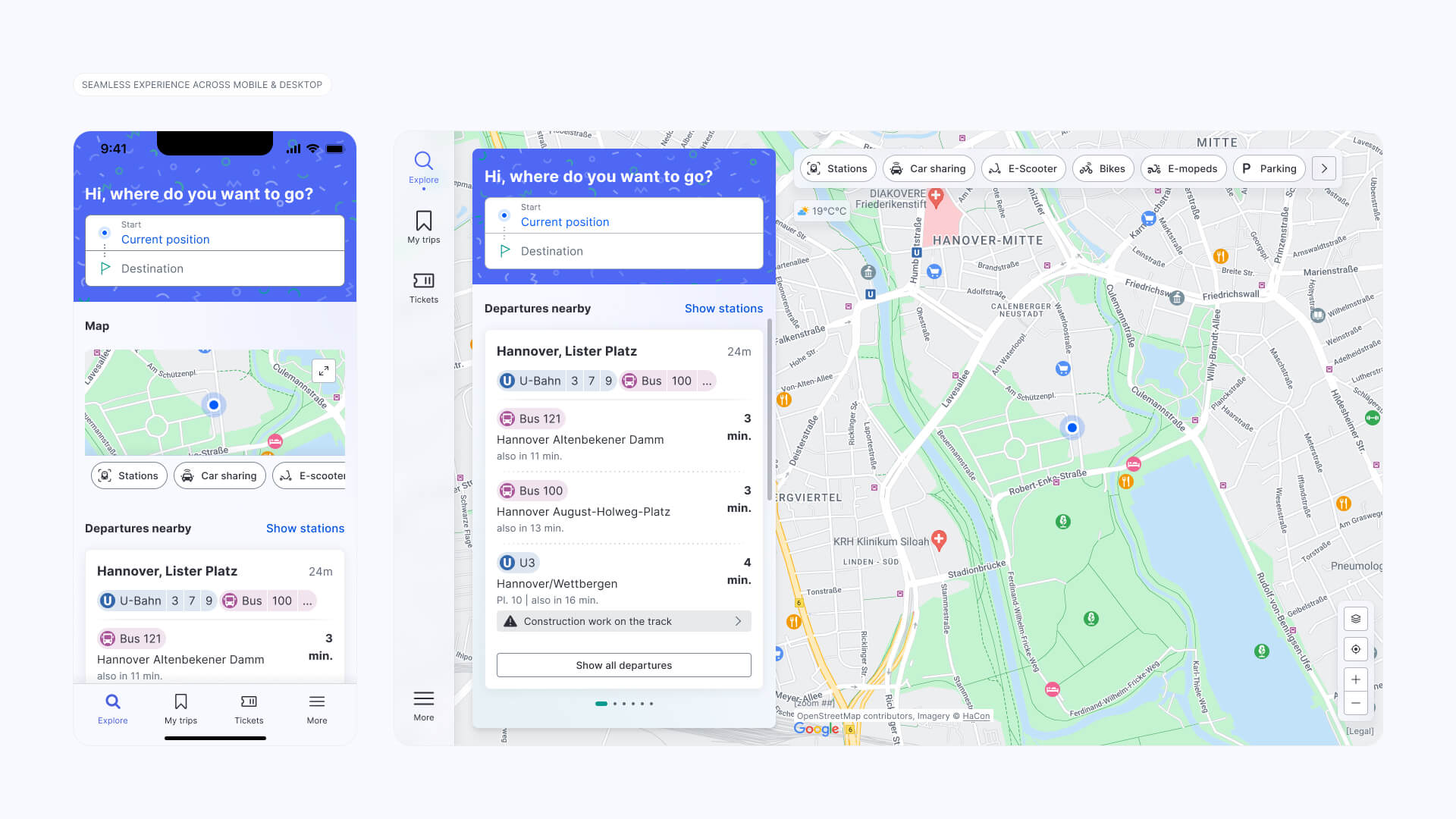
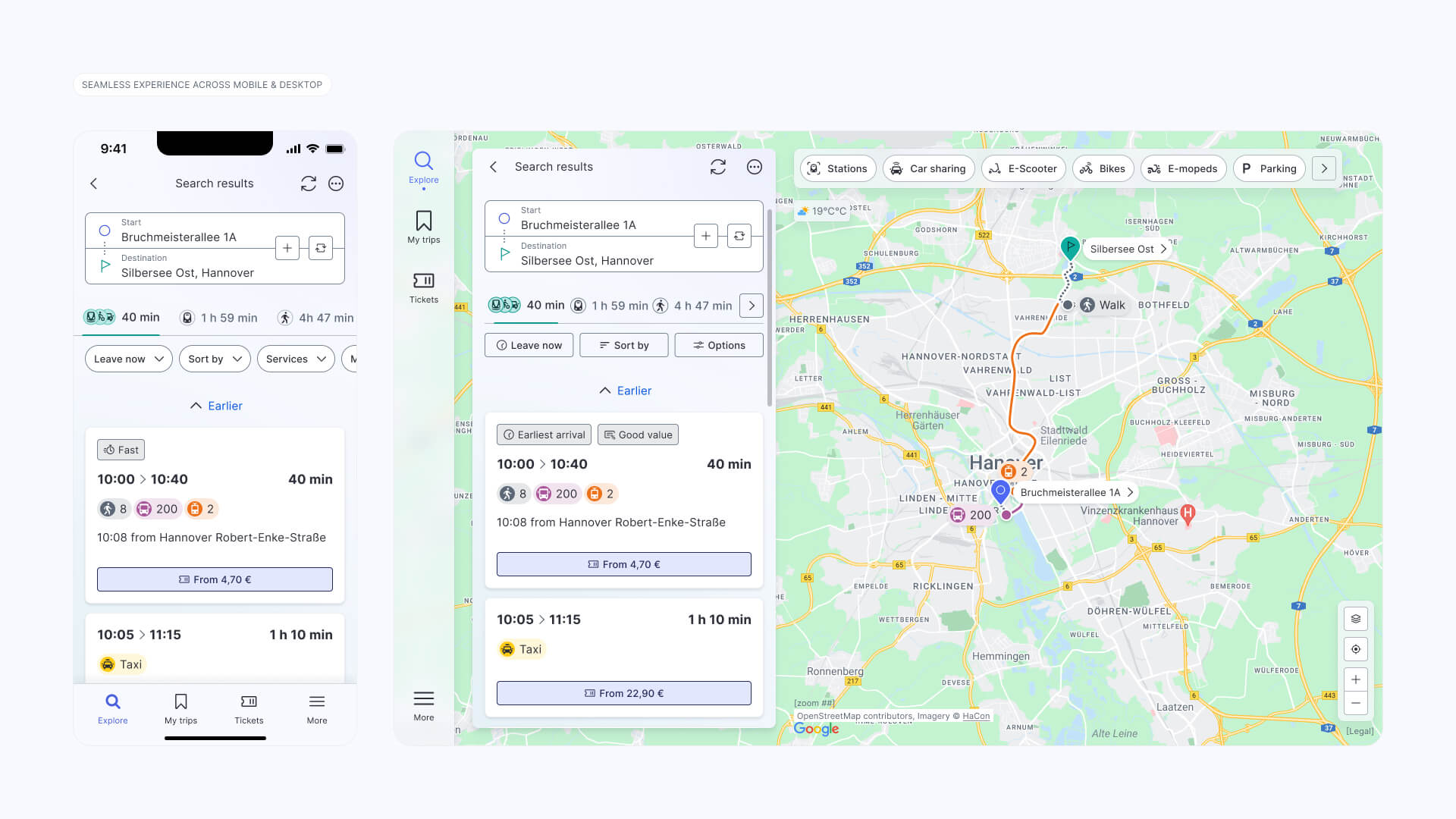
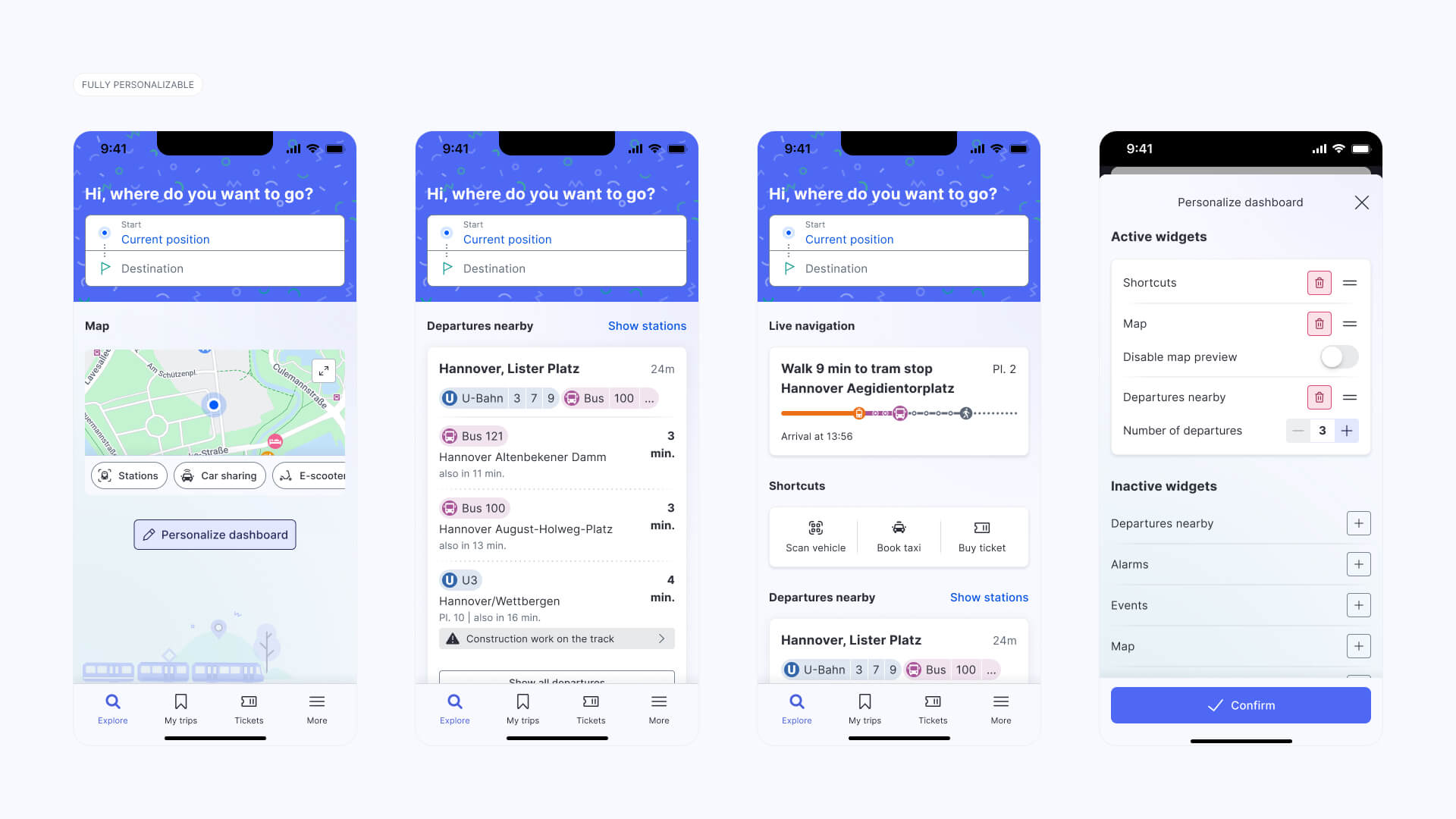
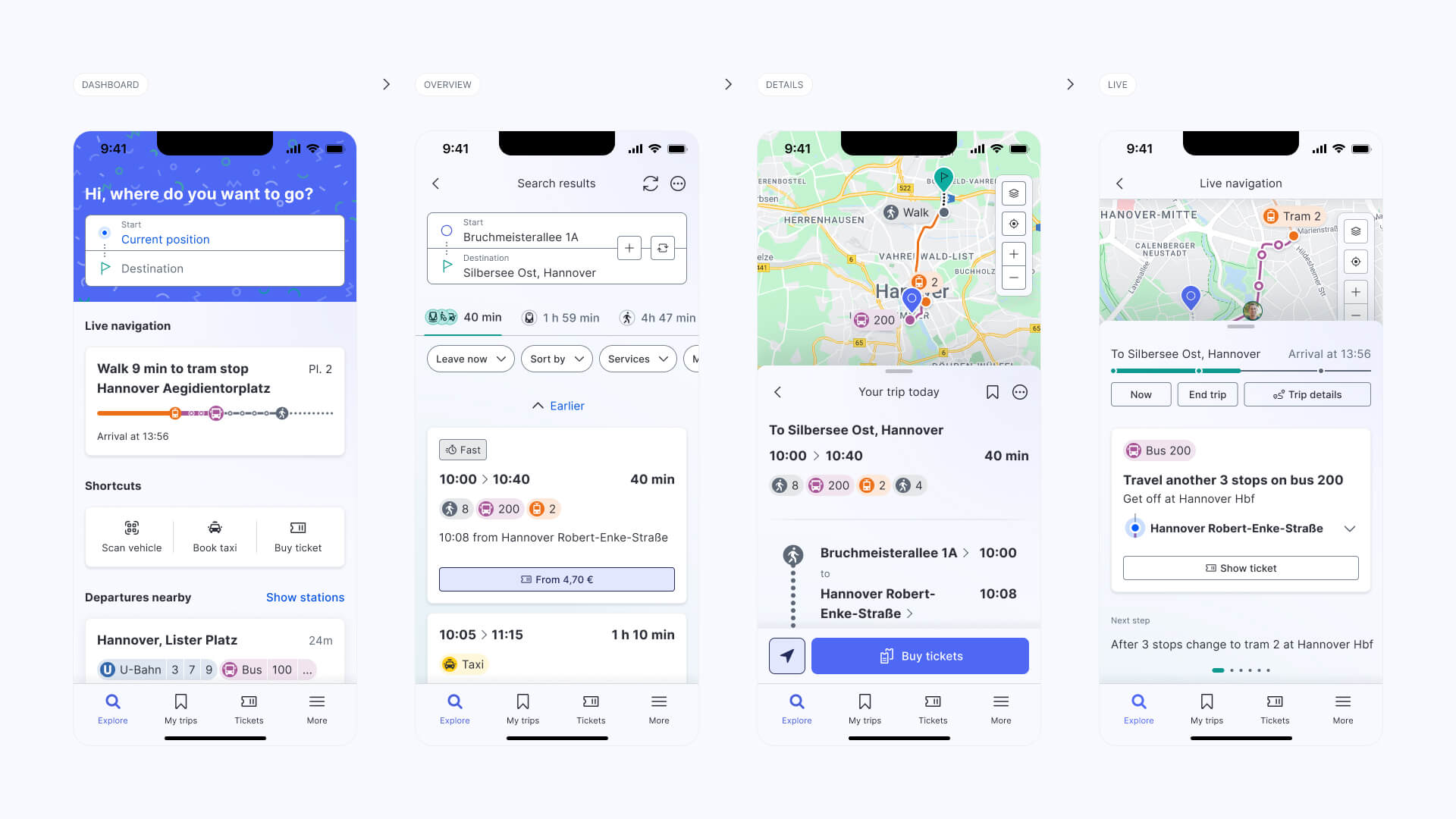
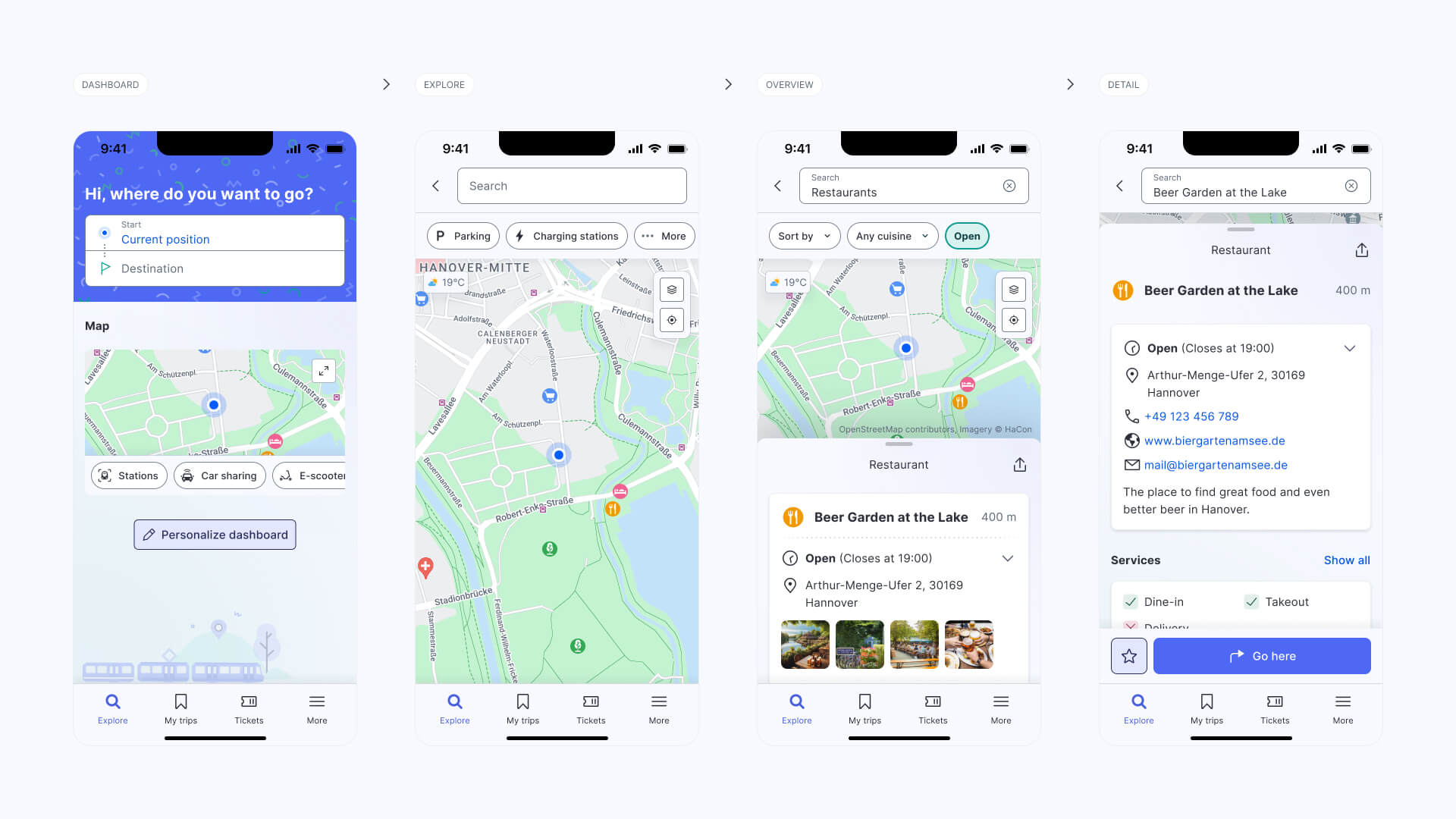
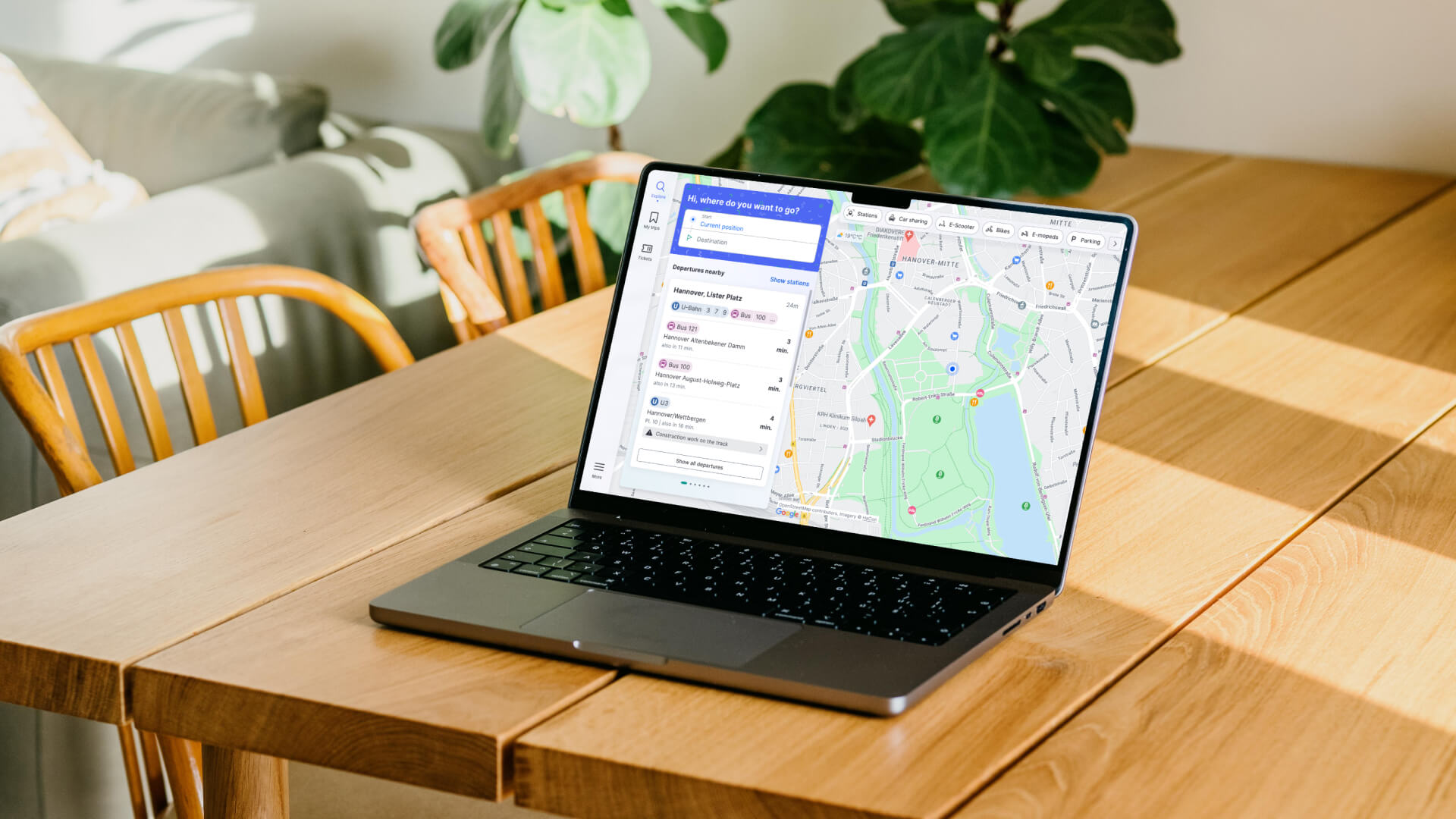
The redesigned app featured a unified design system, simplified user flows, and a customizable toolkit for clients. This improved user satisfaction with faster navigation and boosted client adoption. Clients could easily adjust branding without extra development.
The Result
Reduced maintenance effort and a platform ready for scalable growth.
More about outcome
Key takeaways
- Unified Cross-Platform Design:
Consistent design across iOS, Android, and web for a familiar, intuitive experience. - Simplified User Flows:
Streamlined navigation to reduce cognitive load while maintaining depth for power users. - Client Customization Toolkit:
A flexible system for clients to adapt branding (spacing, colors, typography, icons and layout) without custom development. - Mobile-First & Responsive Design:
Ensured seamless experience on mobile and larger devices.
Scalable, Maintainable System: A component library for faster development and easy future maintenance. - Accessibility:
Meets WCAG standards for inclusivity.
The result was a modern, user-friendly app that delivered consistent, customizable experiences to both travelers and clients across multiple platforms. User testing showed a faster, clearer experience, with increased client adoption. The design system reduced maintenance efforts, sped up updates, and enabled scalable growth, setting the stage for long-term success.
Role
Co-Lead UX Strategy,
Design (System) Execution, and Project Management
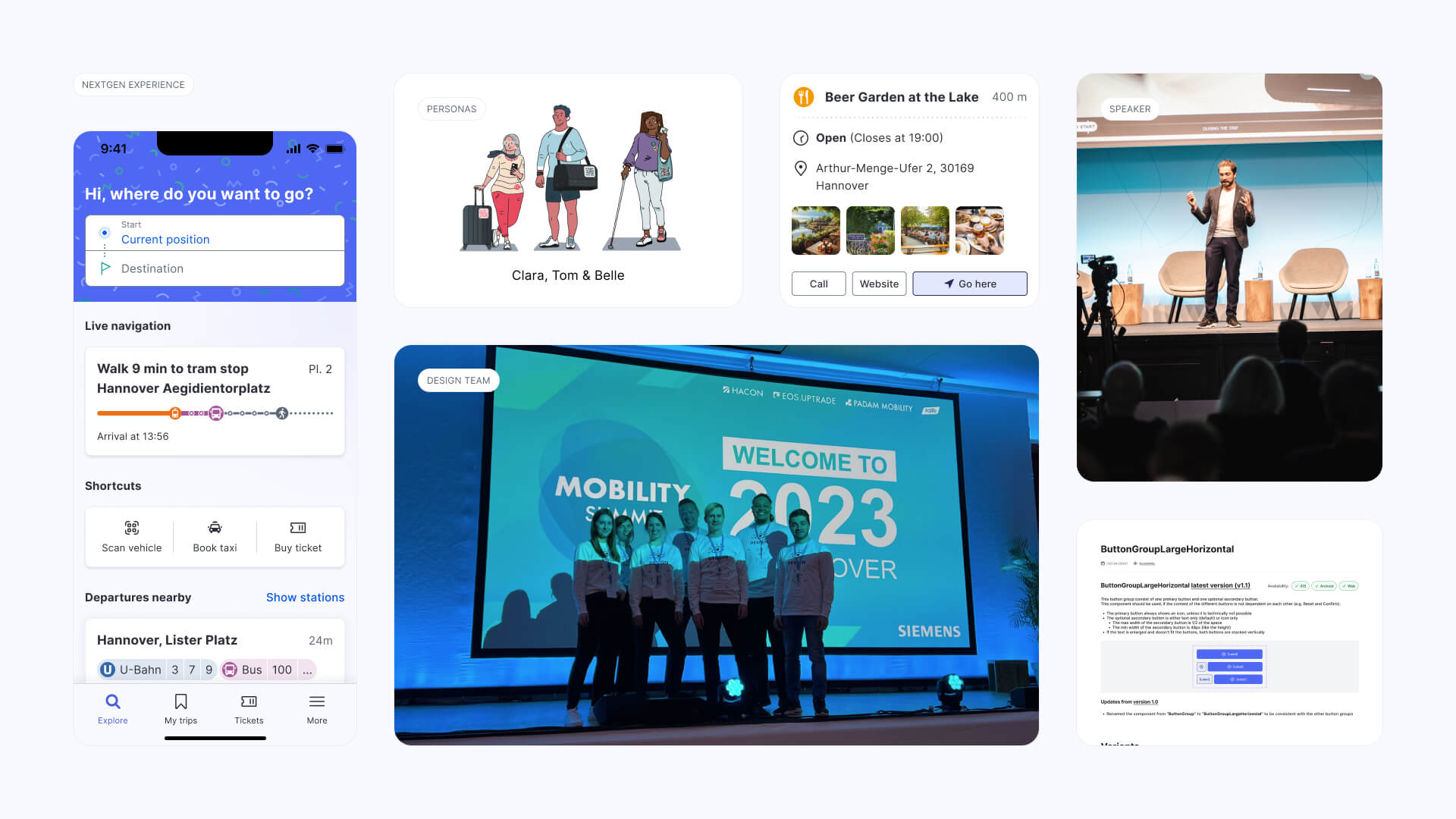
As Lead UX/UI Designer, I co-led the redesign of a global white-label mobility platform. I shaped the UX strategy, developed personas, designed key features, and created a scalable design system. I also supported prototyping, testing, and project management during the initial phase, ensuring smooth execution and alignment across teams for a seamless, user-friendly experience.
More about my role
This role required balancing strategic vision, attention to detail, and effective project management to deliver a user-centered, scalable solution that also supported long-term growth and client flexibility.
Key Contributions
- UX Strategy & Vision:
Co-shaped the overarching UX strategy, aligning user needs with business goals and ensuring consistency across all platforms. - User Research & Persona Development:
Synthesized years of client feedback and user insights into actionable personas and journey maps that guided the redesign process. These insights helped ensure the design was grounded in real user needs. - Dashboard & Map Design:
Designed the core dashboard and map experience, focusing on simplifying complex information and interactions. - Ongoing Support & Art Direction:
I provided continuous design support and art direction to ensure the app remained user-friendly and visually cohesive for all user types. I guided the design team in maintaining consistency and quality across all touch points, ensuring the app’s visual identity was strong while also making sure the user experience was intuitive and aligned with the project’s goals. - Component Library & Design System:
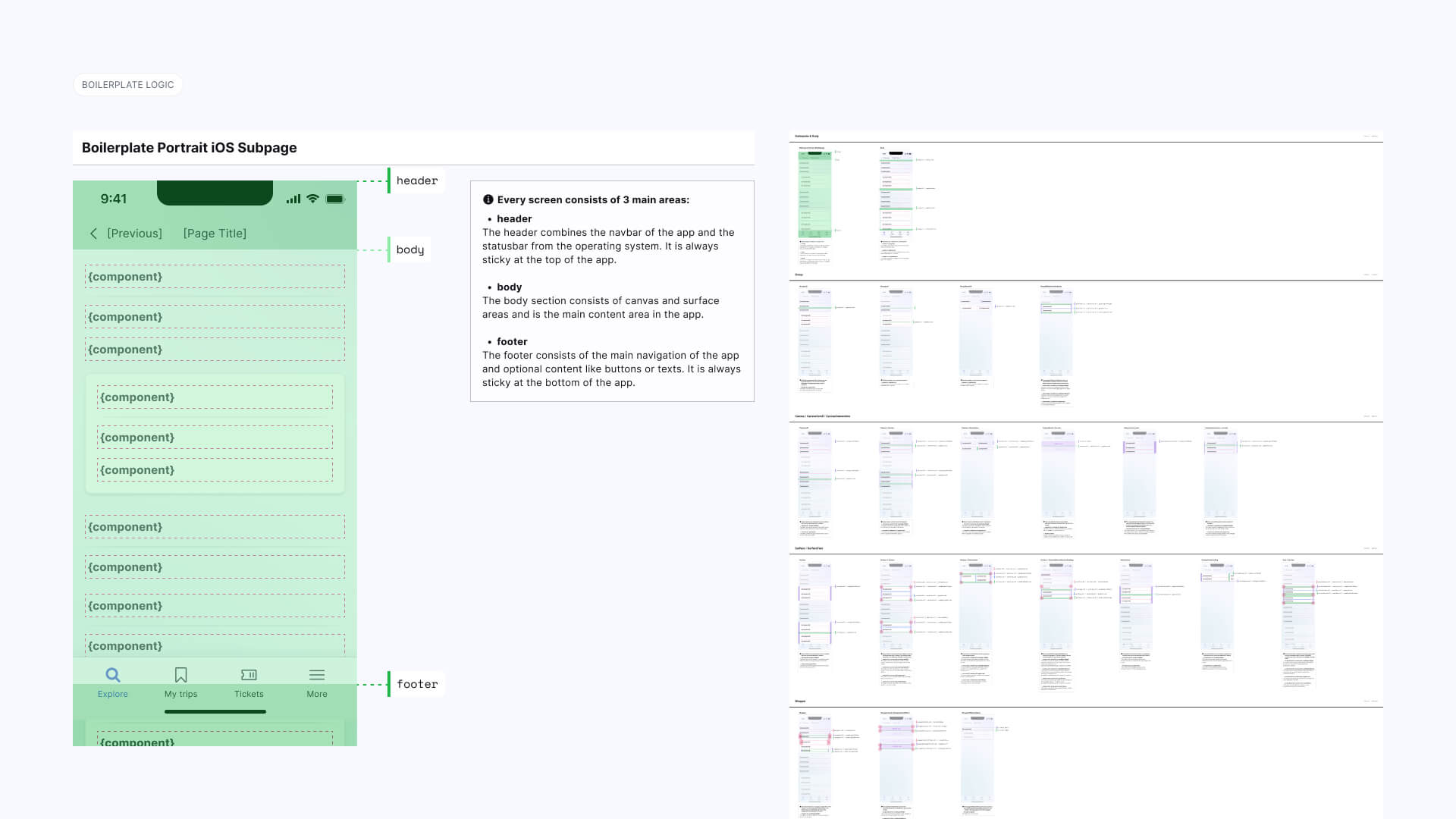
Co-led and created a cross-platform component library in Figma, establishing scalable patterns that ensured consistent design, accessibility (WCAG compliance), and customization flexibility across platforms. - Prototyping & Validation:
I delivered interactive prototypes for key user flows and supported the testing team by creating prototypes and design assets. I collaborated closely with the testing team to gather feedback, validate usability, and refine designs based on their insights. - Cross-Functional Collaboration:
Worked alongside developers, product managers, and stakeholders to ensure feasibility and alignment with business objectives. I provided guidance on implementing complex interactions and customizations to ensure smooth handoff and seamless execution. - Project Management & Coordination:
During the initial phase of the project, I managed timelines, resources, and priorities to ensure deliverables met deadlines and the project stayed within scope. I facilitated cross-team collaboration and communication, ensuring alignment across all teams until the Head of Design and Product Management took over after a year. - Documentation & Handoff:
Developed clear design documentation, including accessibility standards and customization guidelines, which supported the development team and ensured efficient future maintenance. - Continuous Iteration:
Actively participated in design reviews, retrospectives, and refinement sessions, ensuring the design evolved in line with client needs and emerging insights.
Problem
Addressing Fragmentation, Complexity, and Client Constraints
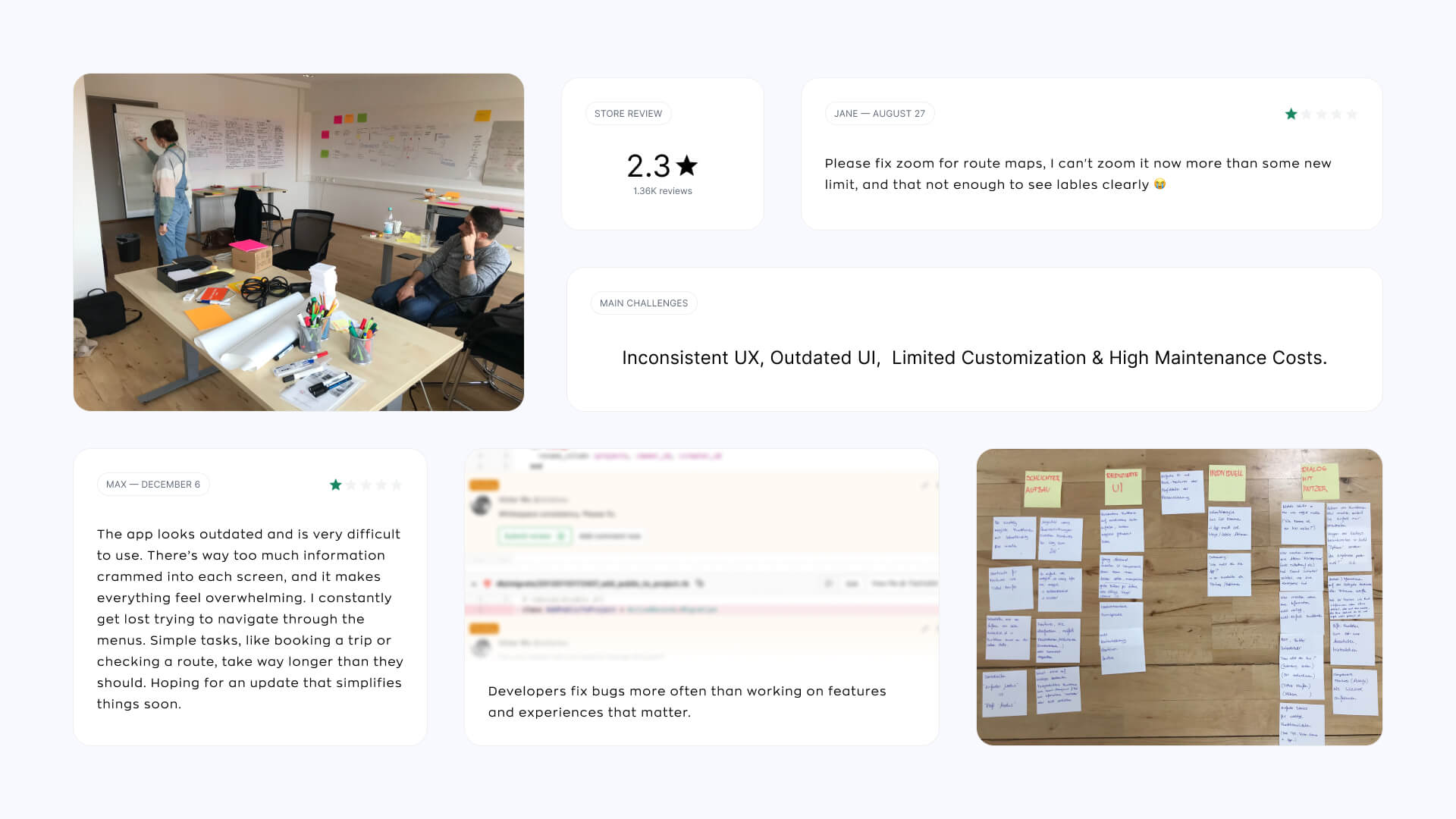
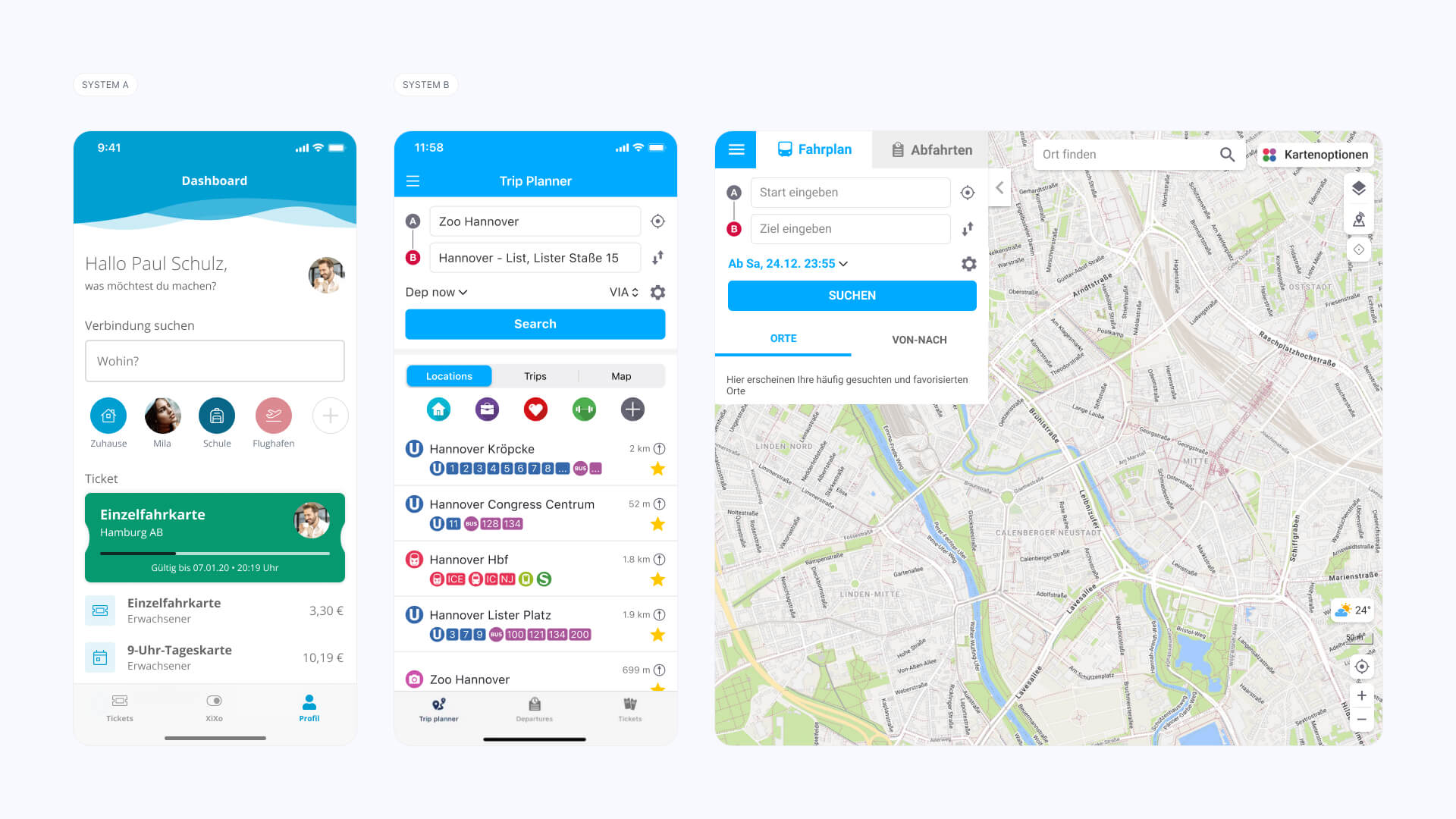
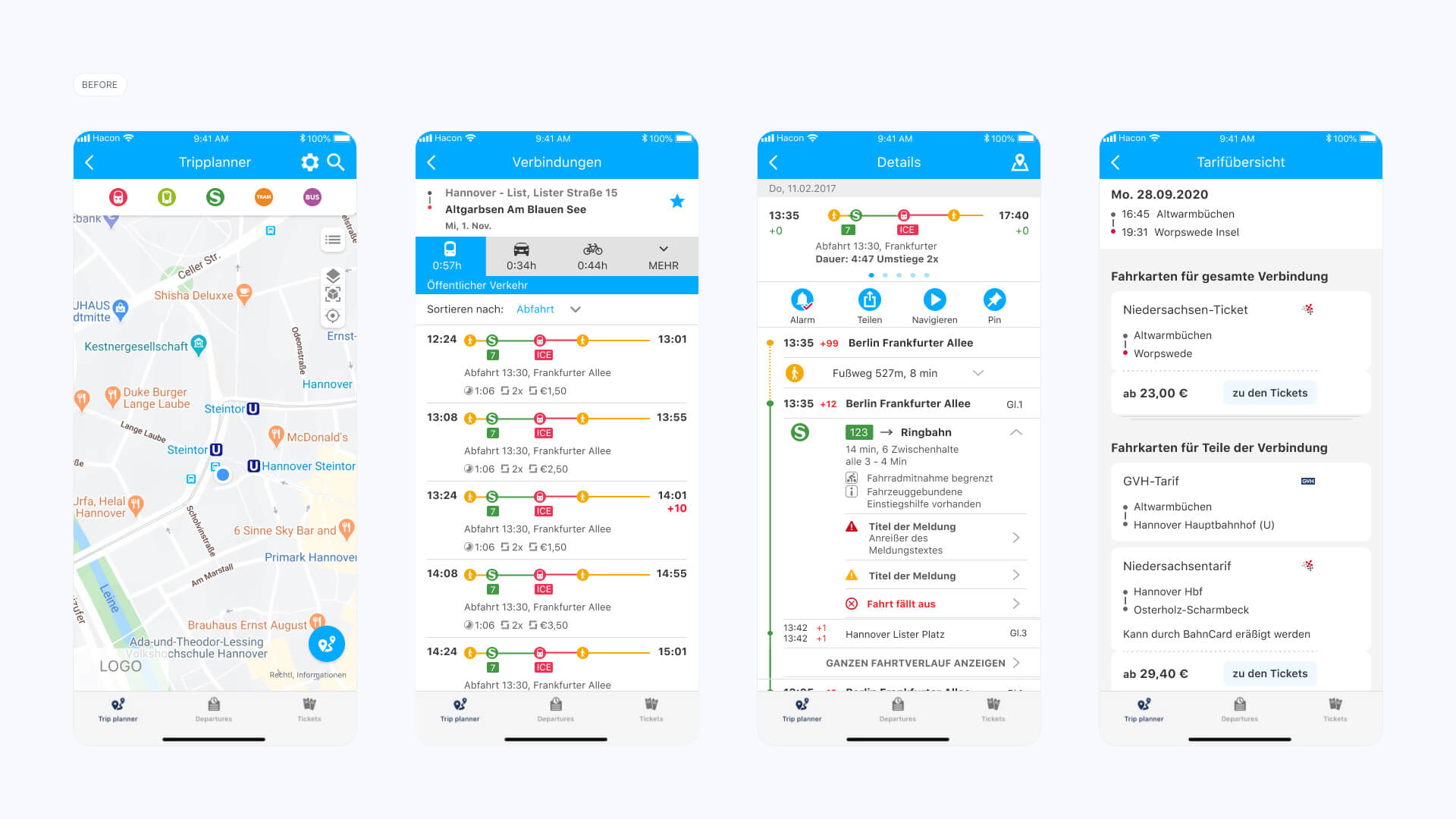
The existing app faced issues such as inconsistent UX, outdated UI, limited client customization, and high maintenance costs. Fragmented user experiences across platforms and a lack of flexibility for clients hampered growth. The opportunity was to create a streamlined, scalable solution to enhance user experience and support client branding.
The Opportunity
We needed to streamline the user experience, reduce complexity, and create a scalable, customizable design system that could support both end users and clients effectively.
More about the challenge
Identifying Core Challenges
- Inconsistent User Experience:
Variations in design and interaction across iOS, Android, and web led to confusion and reduced user trust. - Outdated, Cluttered UI:
Overloaded screens and redundant features made navigation difficult, resulting in user frustration and abandonment. - Limited Client Customization:
Clients had minimal flexibility to adapt the app to their brand, limiting adoption and requiring additional customization efforts. - High Maintenance Costs:
Legacy code and a lack of a unified design and development system resulted in duplicated work, slow updates, and complex maintenance.
Research & Discovery
Understanding Travel Guests and Clients
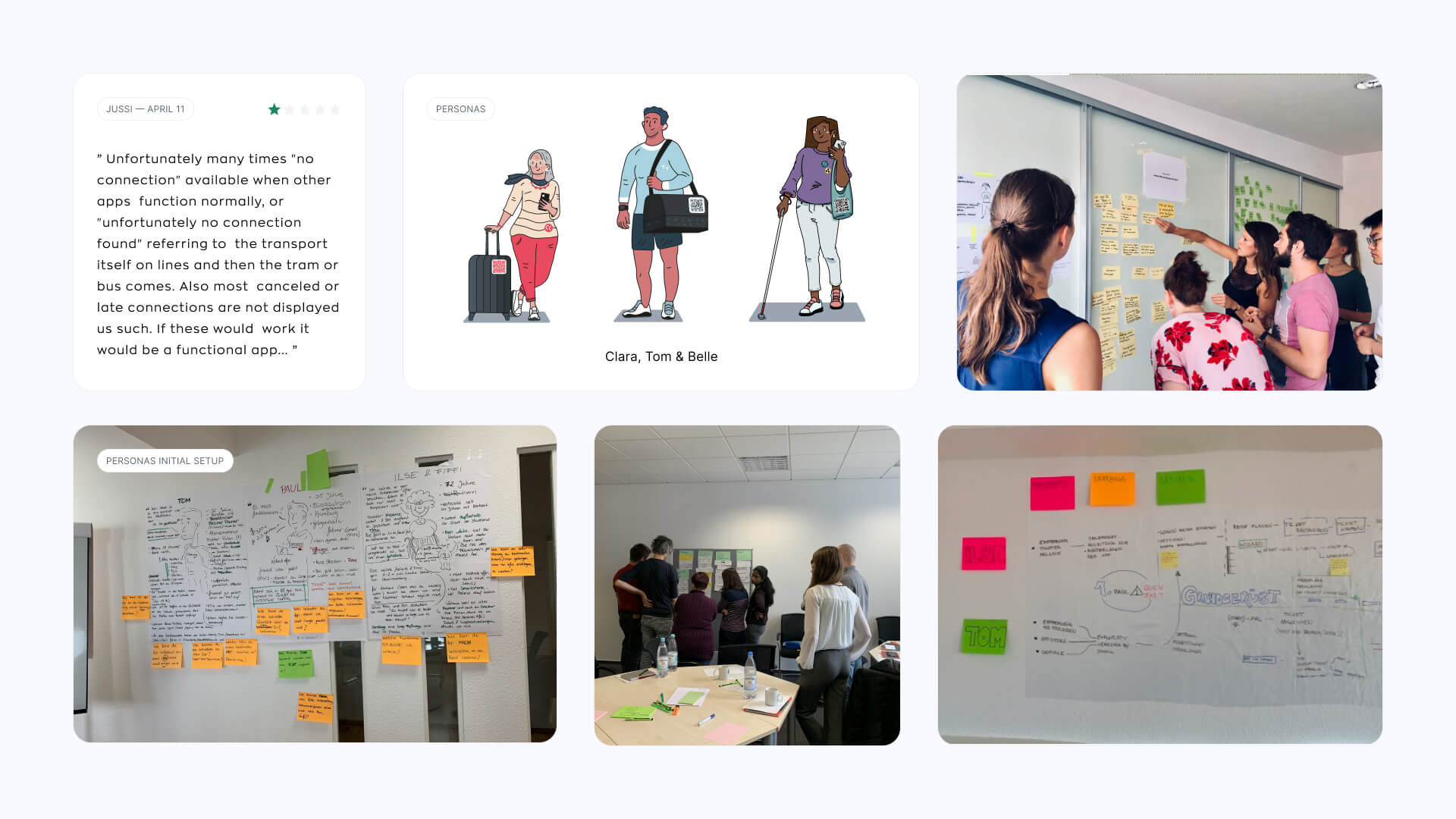
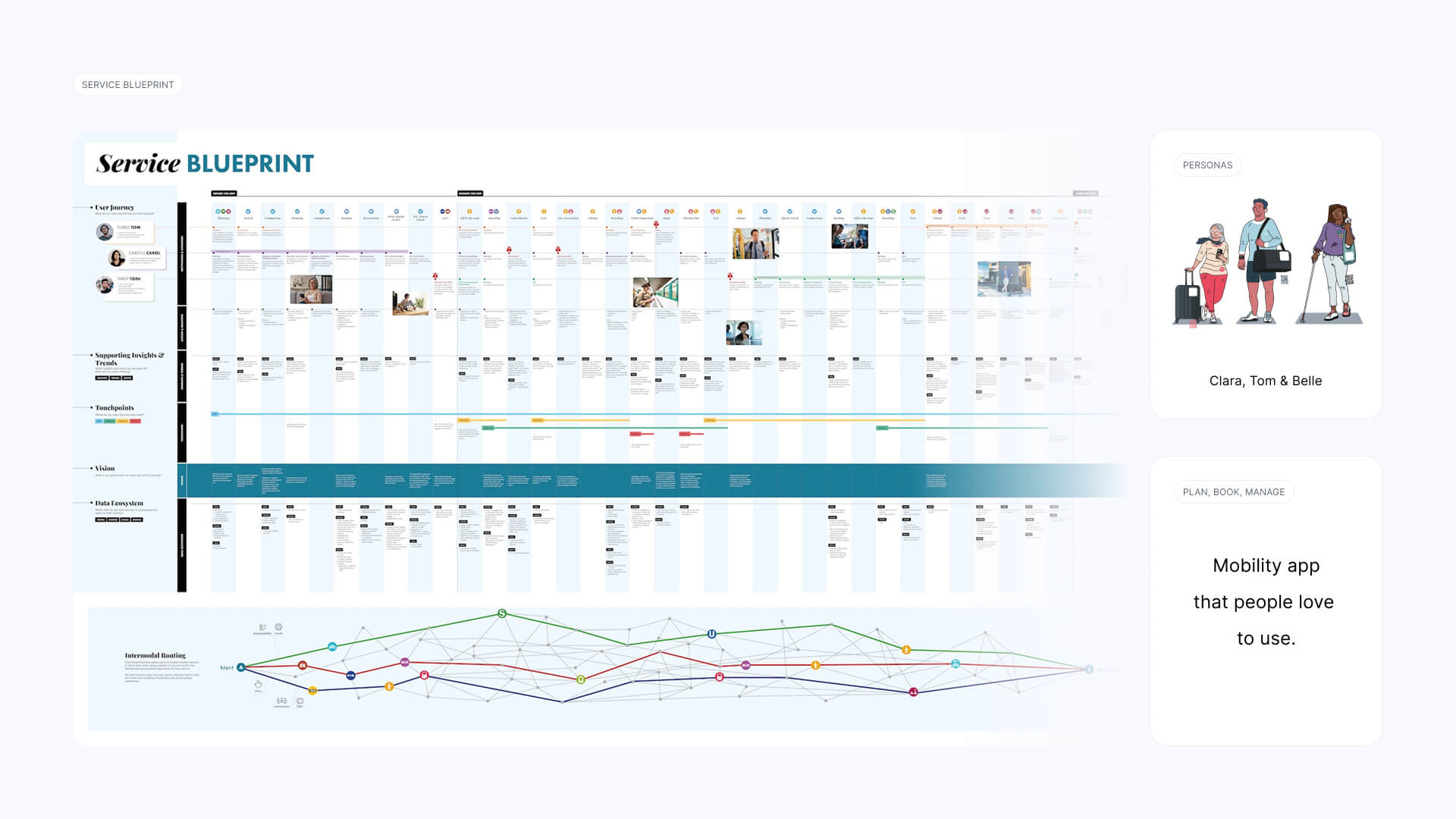
We combined qualitative and quantitative research, developing personas and journey maps to identify pain points. Competitor analysis and feedback provided insights into industry best practices.
Key Insights
Users needed a simpler, more intuitive journey planning process, while clients sought greater flexibility to align the app with their brand identity with minimal development effort.
More about Research & Discovery
Grounding Design Decisions in User and Client Needs
What We Did
- Persona Development:
We created three primary personas to guide design decisions:- Tom: A power user who prioritizes speed and efficiency.
- Clara: A long-trip planner who values advance booking and reliability.
- Paul: An occasional traveler focused on budget and convenience.
- Journey Mapping:
For each persona, we mapped end-to-end journeys to identify critical touch points, pain points, and opportunities to enhance the experience. - Competitor and Market Analysis:
Together with the product team, we reviewed competitor apps, customer and user feedback. This helped us identify industry best practices and areas where we could differentiate, such as improved personalization and streamlined workflows.
Process
Crafting a Unified, Scalable Experience. A Collaborative, Iterative Approach to Complex Problem-Solving
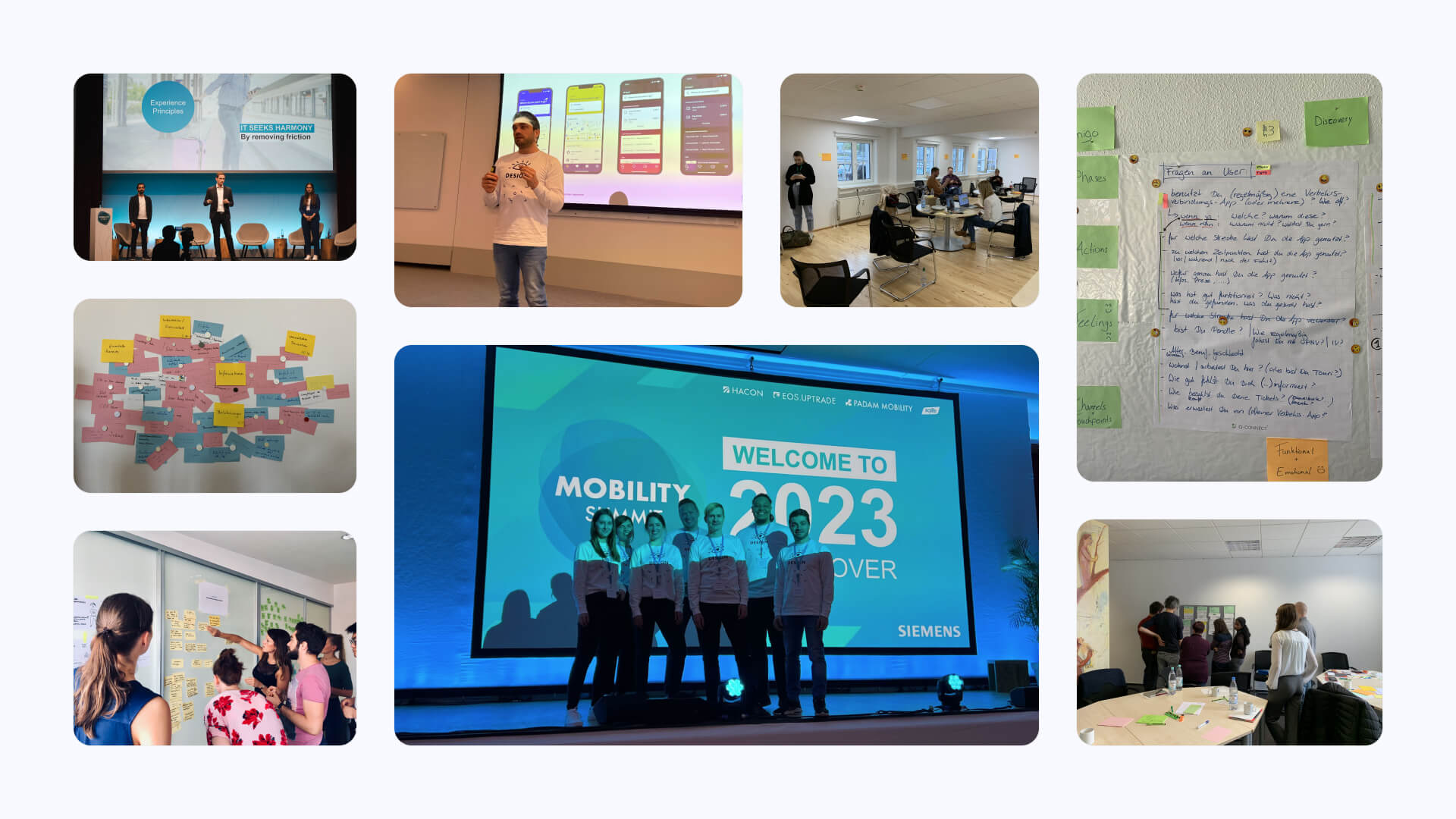
Our iterative design process focused on simplicity, consistency, and accessibility. We worked closely with cross-functional teams, developing wireframes, prototypes, and a scalable component library to ensure a unified experience across platforms. Key milestones included validating designs with user testing and aligning with stakeholders for continuous improvement.
Key Milestone
Early wireframes and prototypes validated with user testing.
Regular design reviews ensured stakeholder alignment and continuous improvement.
More about design process
Our design process prioritized collaboration, iteration, and user-centered thinking, ensuring a seamless experience across platforms.
What We Did
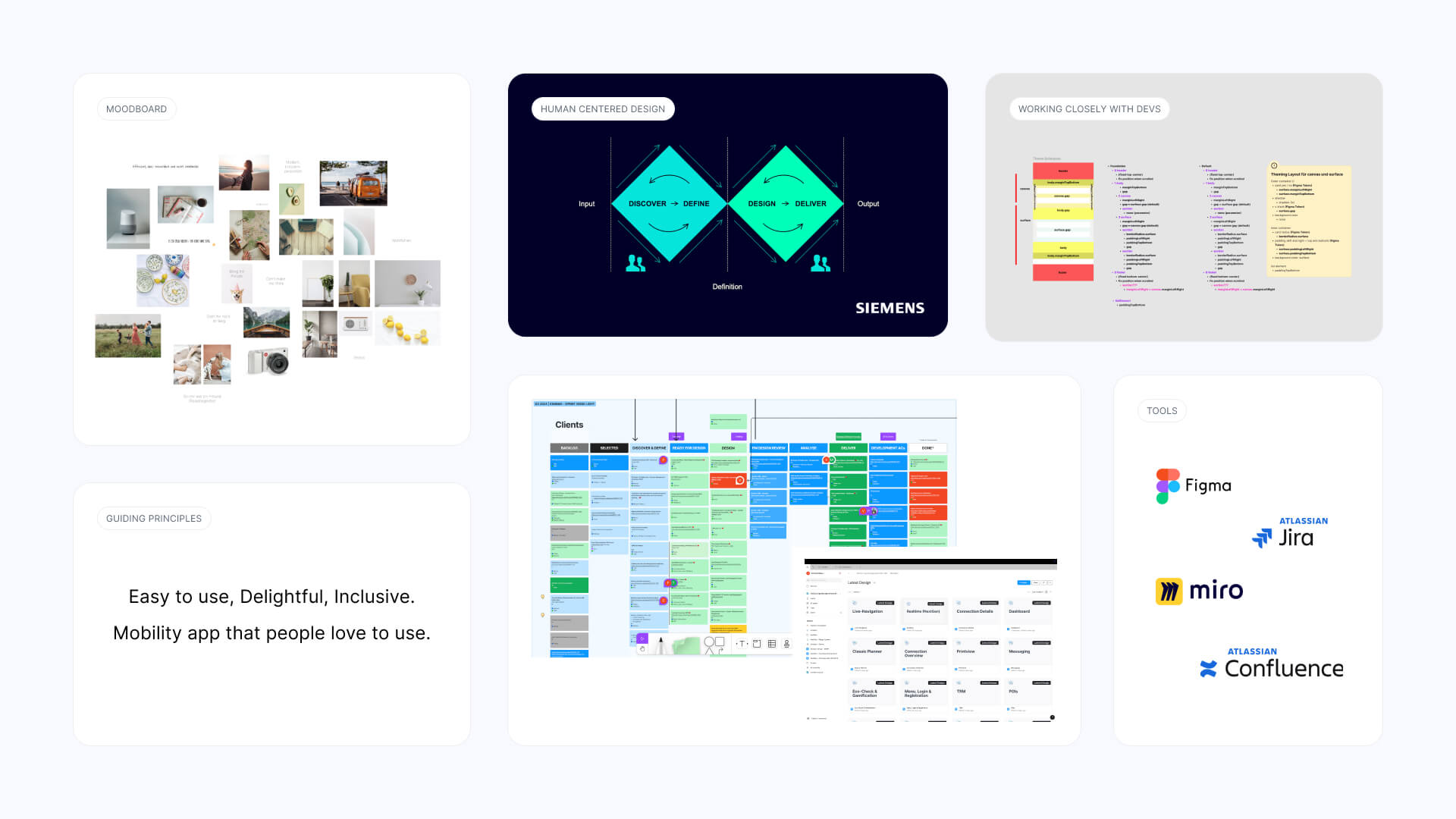
- Establishing Design Principles:
We aligned on core principles focused on simplicity, consistency, scalability, and accessibility. These principles guided all design decisions and helped maintain coherence across platforms. - Ideation and Prototyping:
We developed low- and high-fidelity wireframes, followed by interactive prototypes to visualize key flows. Regular feedback sessions with stakeholders and users enabled us to continuously refine navigation, layouts, and interactions. - Cross-Functional Collaboration:
Led cross-functional collaboration with developers, PMs, and stakeholders to ensure feasibility and accelerate delivery. Regular syncs helped maintain alignment and momentum. - Scalable System:
A scalable component library and foundation established in Figma for cross-platform consistency. - Tools and Methods:
We used Figma for design and prototyping, FigJam for brainstorming, and Jira for project tracking. These tools fostered fast iteration and clear communication across teams.
Reflection
Strategic Insights & Key Learnings
We continue to gather feedback through client deployments and usability testing, iterating on the design system. Future initiatives include integrating AI-powered personalization, improving accessibility, and leveraging analytics to optimize user journeys and engagement, ensuring the app remains adaptable to evolving needs.
What I would do differently
Anticipating future needs and adding more customization options early would reduce future iterations.
More about my learnings
Key Learnings
- Designing for Scalability:
A flexible design system was essential in streamlining both the client customization process and long-term maintenance. - Plan for Maintenance Early:
Parallel design exploration and system development led to rework when updates in the boilerplate required layout adjustments. In hindsight, a clearer maintenance plan would have reduced iteration loops. - Balancing Consistency and Flexibility:
Maintaining a cohesive user experience across platforms while offering deep customization options required close collaboration and meticulous design documentation. - Transitioning from Legacy Systems:
Working with legacy infrastructure demanded careful planning and incremental implementation to minimize disruption and maintain quality.
By focusing on user-centered design principles, cross-functional collaboration, and scalable systems, we delivered a solution that supports long-term product growth and evolving user expectations.
This project highlighted the power of user-centered, scalable design in driving both product adoption and operational efficiency—principles I continue to apply in every design challenge I take on.
Ready to transform?
Let’s discuss how we can turn your challenges into the clarity that sets your product apart.
I’ve created solutions for